

Innovation does not happen in a vacuum, and it certainly doesn’t happen solely behind a computer screen. Real innovation happens in waiting rooms, in consultation offices, and in the daily workflows of healthcare providers.
This week, the Newel Health team has touched down in London for a critical mission: visiting a specialized NHS chronic pain management service.
Our objective is twofold: to demonstrate the capabilities of ROHKEA, our CE-certified VR therapeutic, and—more importantly—to listen.
Spotlight on ROHKEA: More Than Just “Distraction”
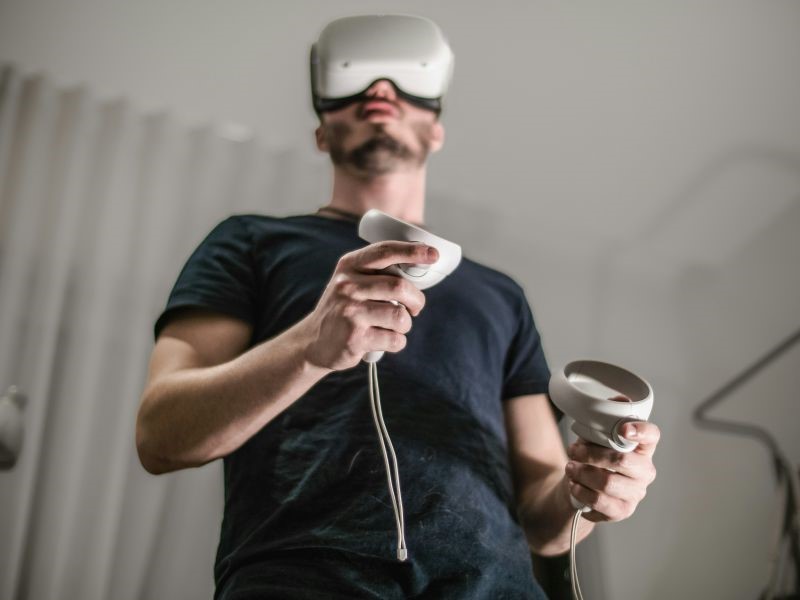
While in London, we are demoing ROHKEA VR Therapy to the clinical team.
It is important to clarify that Rohkea is not merely a “distraction tool” for pain. It is a rigorous, CE-certified digital therapeutic designed to deliver psychological interventions (based on Cognitive Behavioral Therapy principles) for people living with chronic musculoskeletal pain.
By immersing patients in a therapeutic virtual environment, we aim to break the cycle of pain and anxiety, teaching the brain new ways to process signals and offering patients a non-pharmacological tool for management.
Why We Visit: The “Last Mile” of Digital Health
Why fly to London just to demo software?
Because the “last mile” of digital health is the hardest. You can build a clinically effective algorithm, but if it disrupts the workflow of a nurse or a physiotherapist, it will never reach the patient.
Our visit to the NHS—one of the world’s most respected and complex healthcare systems—is about solving the puzzle of integration.
- How does a VR headset fit into a standard 15-minute appointment?
- How do clinicians explain the therapy to skeptical patients?
- What data do the doctors need to see immediately to feel confident in the therapy?
Listening as a Design Principle
We are not just here to present; we are here to learn.
The feedback we gather from the NHS clinical team this Wednesday, September 17th, will feed directly back into our product roadmap. By working alongside clinicians, we ensure that our digital therapies are not just “cool tech,” but practical, scalable medical tools that support the continuity of care.
We believe that the future of pain management is hybrid—blending human expertise with digital empowerment.
Stay tuned. We will be sharing more specific insights and takeaways from our experience on the ground later this week.